Switch N Go!

Rethinking the Car Buying Experience.

switchngo preview

Role

UX Researcher,
UX Designer,
Graphic Designer

Timeline

3 months,
(7/21 - 10/21)

Team

Yeva Ceponkute,
Shawn Liang,
Luci Wang,
Melissa Feinberg,
A.J. Galliguez

Tools/Skills

Figma,
Trello,
Slack,
Miro

Problem Statement

The COVID-19 pandemic disrupted traditional car-buying experiences, forcing dealerships to rethink how consumers research, evaluate, and purchase vehicles. Our team explored how we could create a more flexible, transparent, and user-centered car-buying experience.

As part of a team project through the UCLA Extension UX Design Certificate program, our challenge was to reimagine the dealership car-buying experience by creating a holistic, user-centered solution.
Solution

After collaborative brainstorming sessions, we proposed the concept of a Car Club Membership. This membership aimed to provide consumers with flexible access to vehicles without the long-term commitment of ownership, addressing both health concerns and supply chain limitations.

My Role and Contributions

UX Research

  • The COVID-19 pandemic disrupted traditional car-buying experiences, forcing dealerships to rethink how consumers research, evaluate, and purchase vehicles. Our team explored how we could create a more flexible, transparent, and user-centered car-buying experience.

Prototyping

  • Created wireframes and various prototypes to help refine user flows and experiences.

Graphic Design

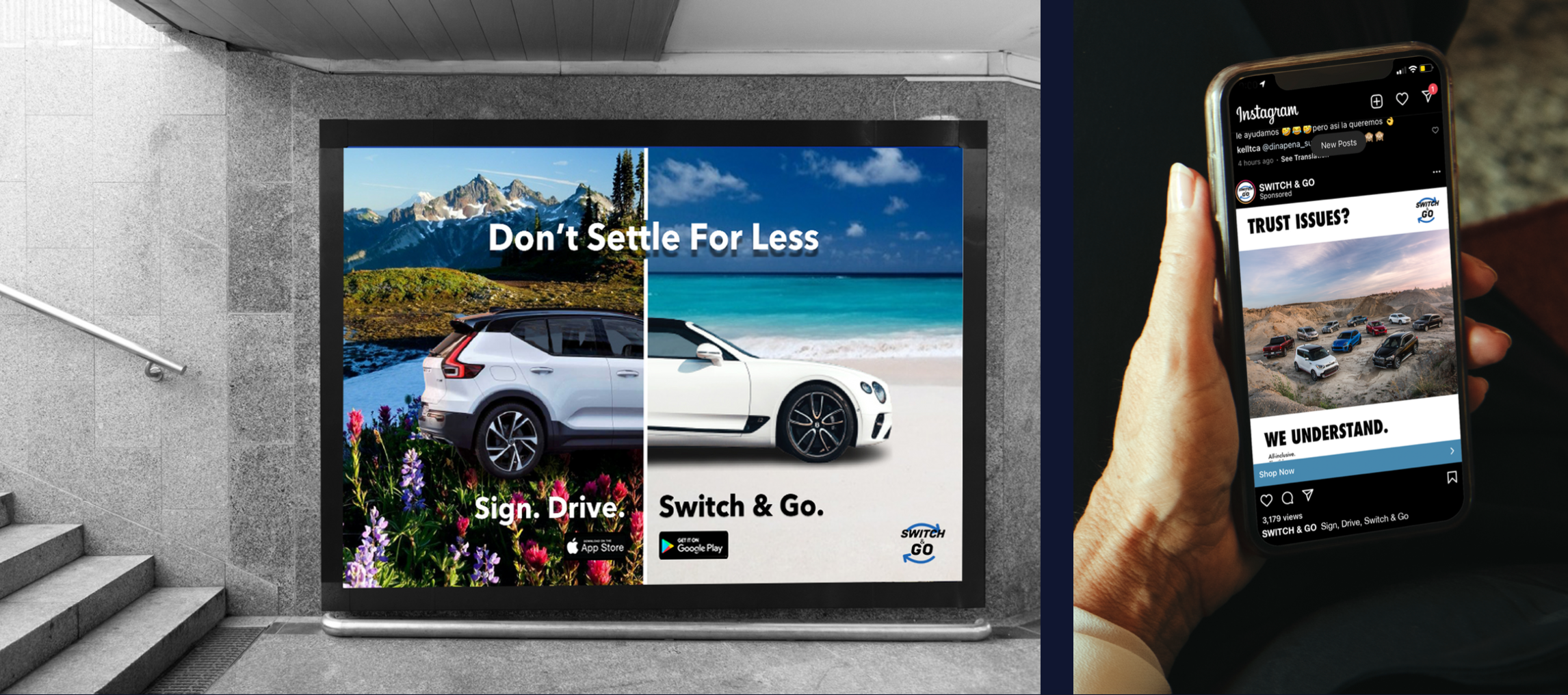
  • Designed a promotional Instagram advertisement to ensure a cohesive visual identity and engage potential users.
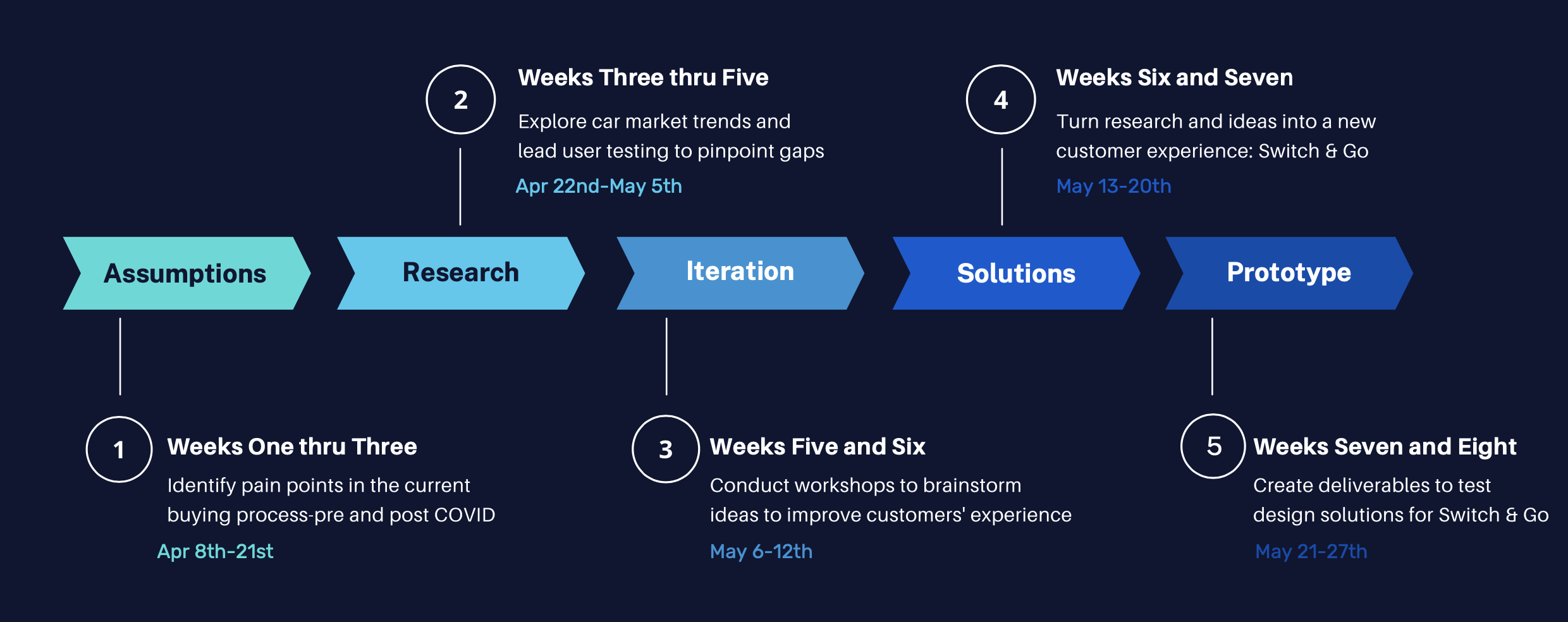
timeline

Assumption

The COVID-19 pandemic disrupted traditional car-buying experiences, forcing dealerships to rethink how consumers research, evaluate, and purchase vehicles. Our team explored how we could create a more flexible, transparent, and user-centered car-buying experience. This helped us surface core customer pain points such as:

  • Prolonged time in dealerships.
  • Safety and health concerns.
  • Lack of confidence in online vehicle purchases.

Research Insights

Through our research, we identified key pain points in the car-buying experience which revelealed:

    Long dealership experiences

    The traditional car-buying process averages nearly five hours, creating frusteration and fatigue.

    Shift toward digital purchasing

    Market trends showed a shift toward digital purchasing nearly 30% of U.S. car sales in 2020 were completed online.

    Need for transparancy

    Buyers prioritized pricing, financing, incentives, and trade-in information when making decisions.

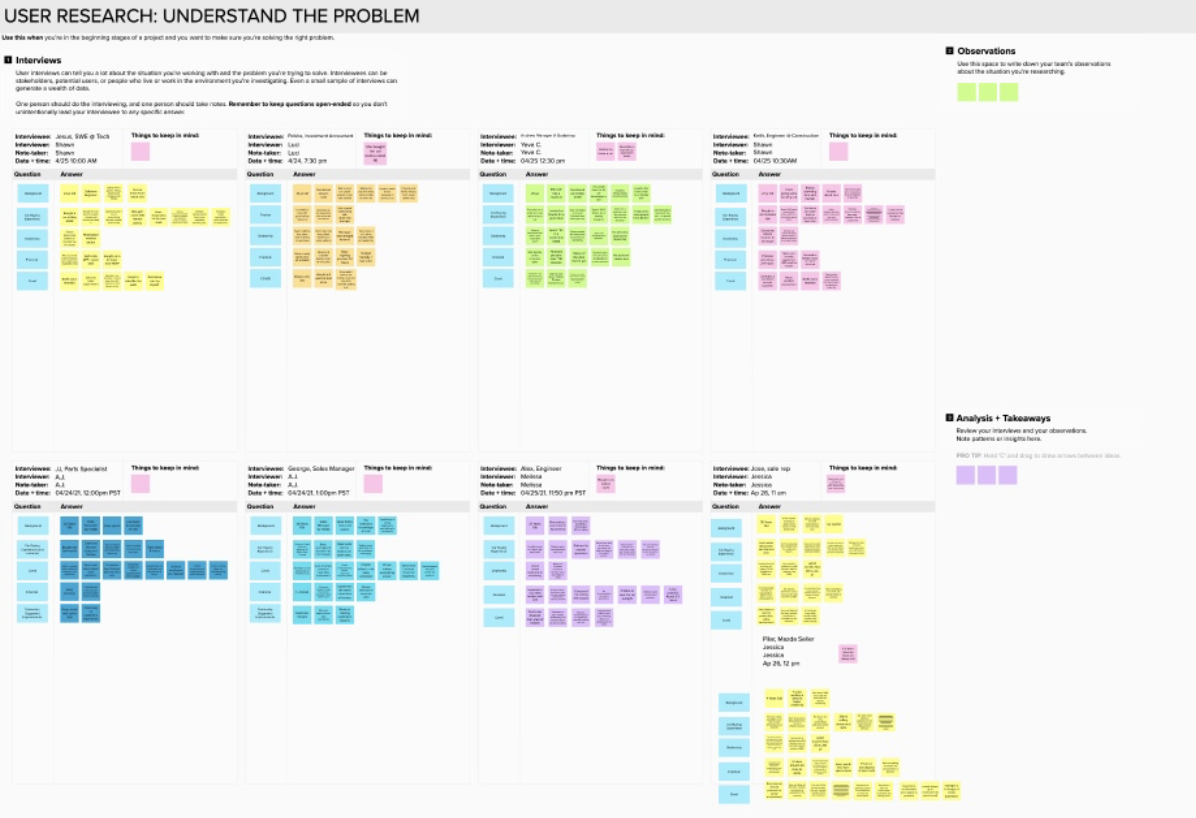
To validates these insights, we conducted user surveys and user tests to pinpoint any gaps. In our findings, we discovered some critical factors for car buying included:

  • Price and Financing
  • Incentives and Trade-Ins
understading

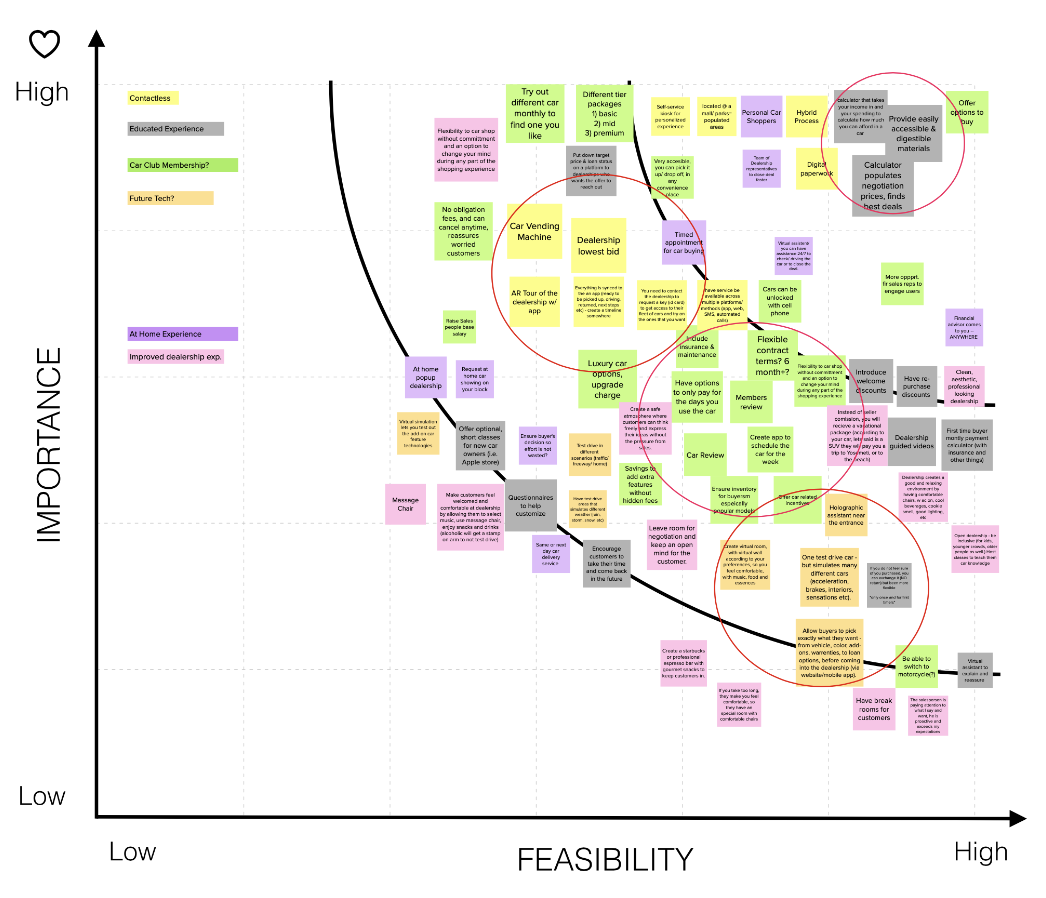
Collaborative brainstorming session identifying pain points and exploring potential features.

Ideation and Iteration

Using our research findings, we explored solutions to simplify the car-buying journey and address user concerns around transparency, decision-making, and efficiency.

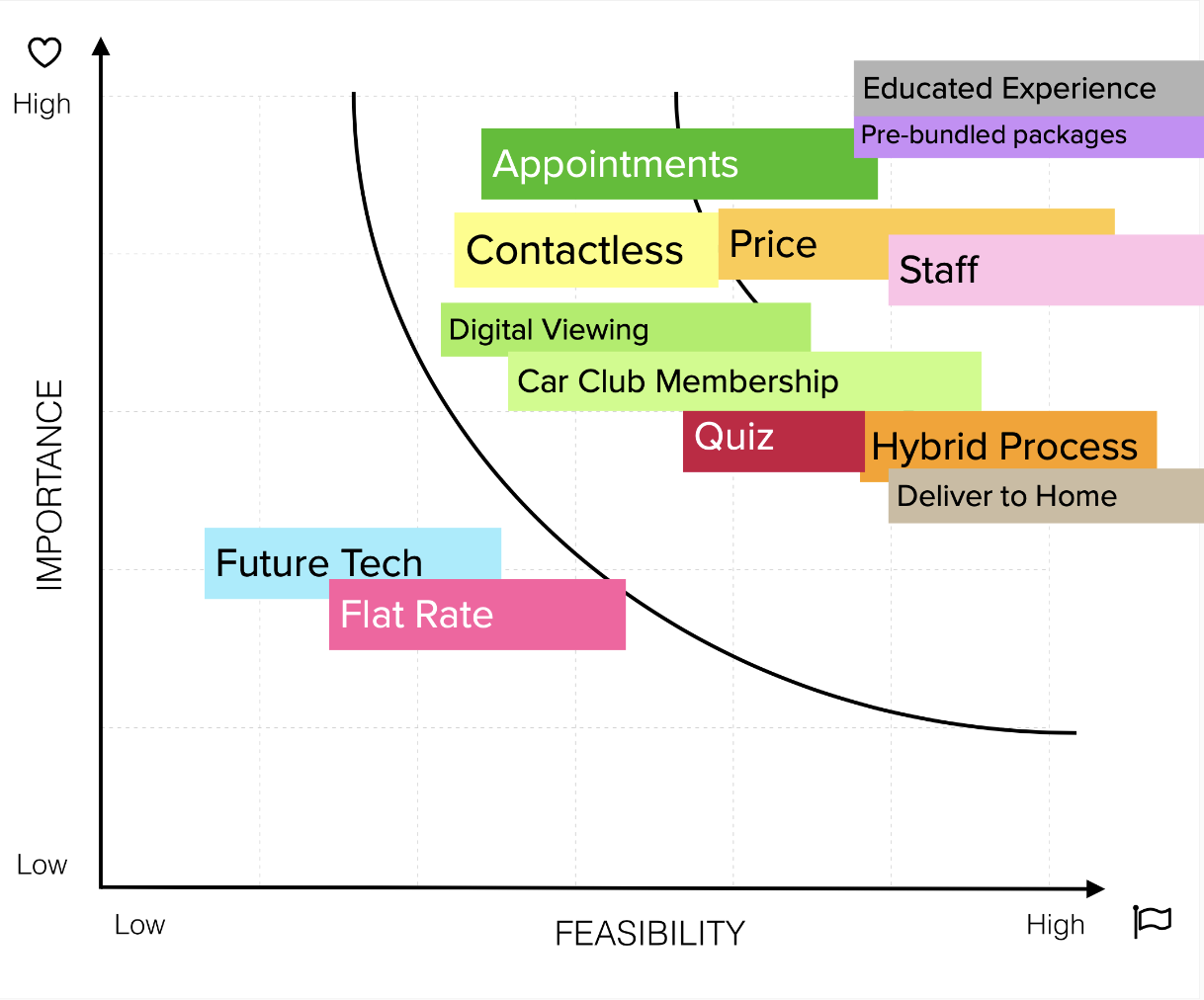
Through ideation and prioritization exercises, we evaluated feature opportunities based on user impact, business value, and implementation considerations.

Key design considerations included:

prioritization

Idea prioritization exercise used to evaluate concepts based on user impact, business value, and feasibility.

feasability

Evaluating feature concepts based on feasibility, constraints, and potential impact.

Results

From our research and understanding, we explored many options in possible solutions such as:

Based on our research and prioritization exercises, we identified an opportunity to reduce purchase friction by allowing consumers to experience vehicles before committing to ownership.

Solution: Car Club Membership

prototypes

Final concept highlighting prioritized features and product opportunities.

Takeaways

Research should guide design decisions.

Conducting user research early helped our team move beyond assumptions and prioritize solutions based on real user needs rather than personal opinions.

Prioritization is just as important as ideation.

Generating ideas was only the first step. Evaluating concepts based on user impact, business value, and feasibility helped us focus on solutions that were both meaningful and realistic.

Collaboration strengthens the design process.

Working with teammates from different perspectives reinforced the importance of communication, active listening, and building consensus throughout the design process.